Sheridan College · Contract · Summer 2023
Portals to the Past
The commission
A humanities professor ran an elective where students went through news archives for events that happened on Sheridan's Trafalgar campus. He wanted the findings out of the classroom and into the building itself, and he had a phrase for it before anyone had a method: a portal to the past. He asked Adobe how to build it. Adobe told him to ask his own college's interaction design department. The department posted the job that summer.
The building is the interface
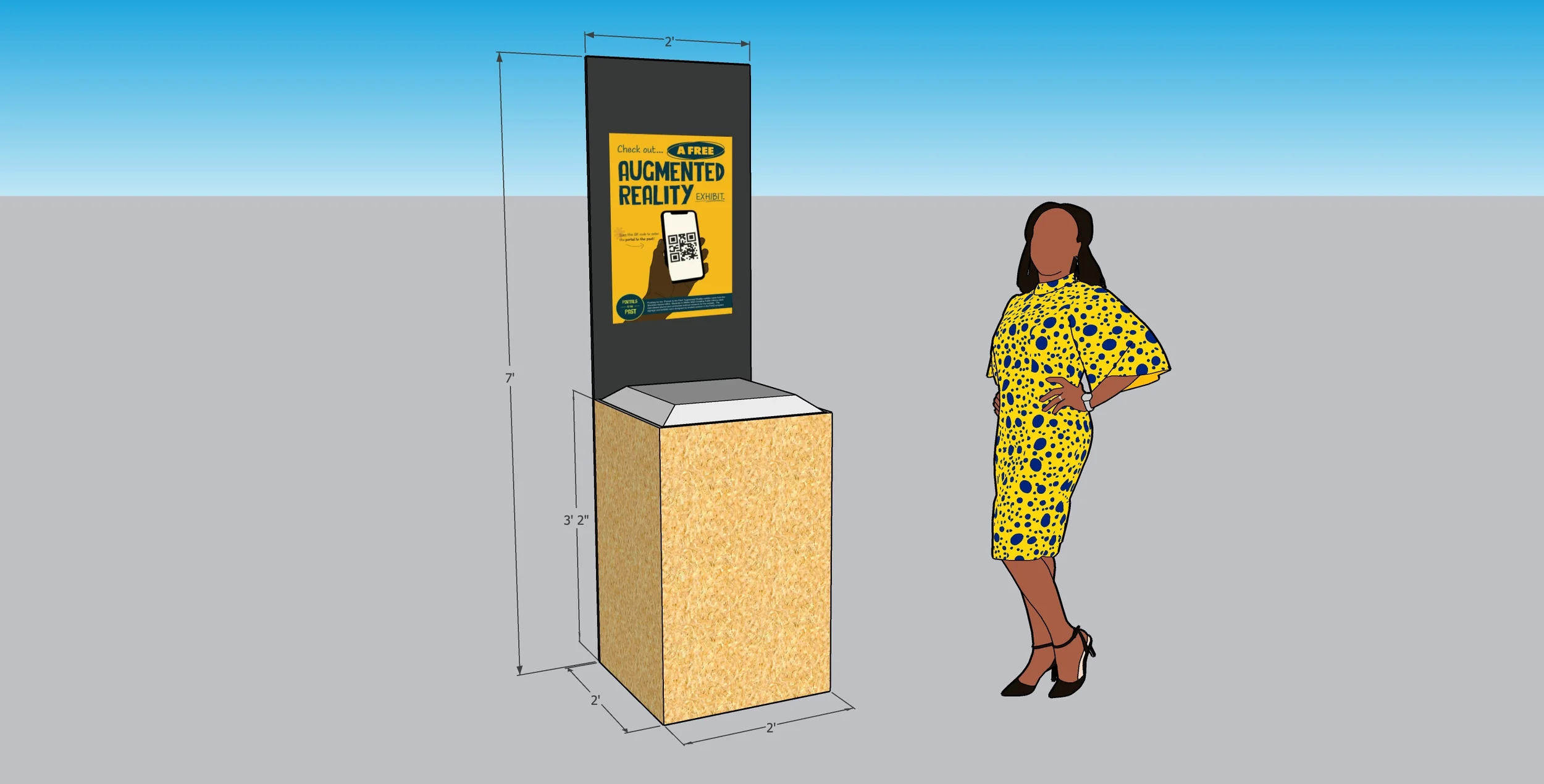
Each installation was pinned to the place its story happened. A vase appeared on a display stand left deliberately empty, with a tracking target on the surface. An IBM 360 rendered at real size in what used to be the computer room. The campus map sat at the main entrance. AR was the delivery method — the site did the work.
A poster went up at each location, made by the experiential designer on the team. Scan the QR code, an Instagram filter opens, the filter reads a marker or a surface, and the piece appears where it belongs.
Four installations
The campus, as drawn
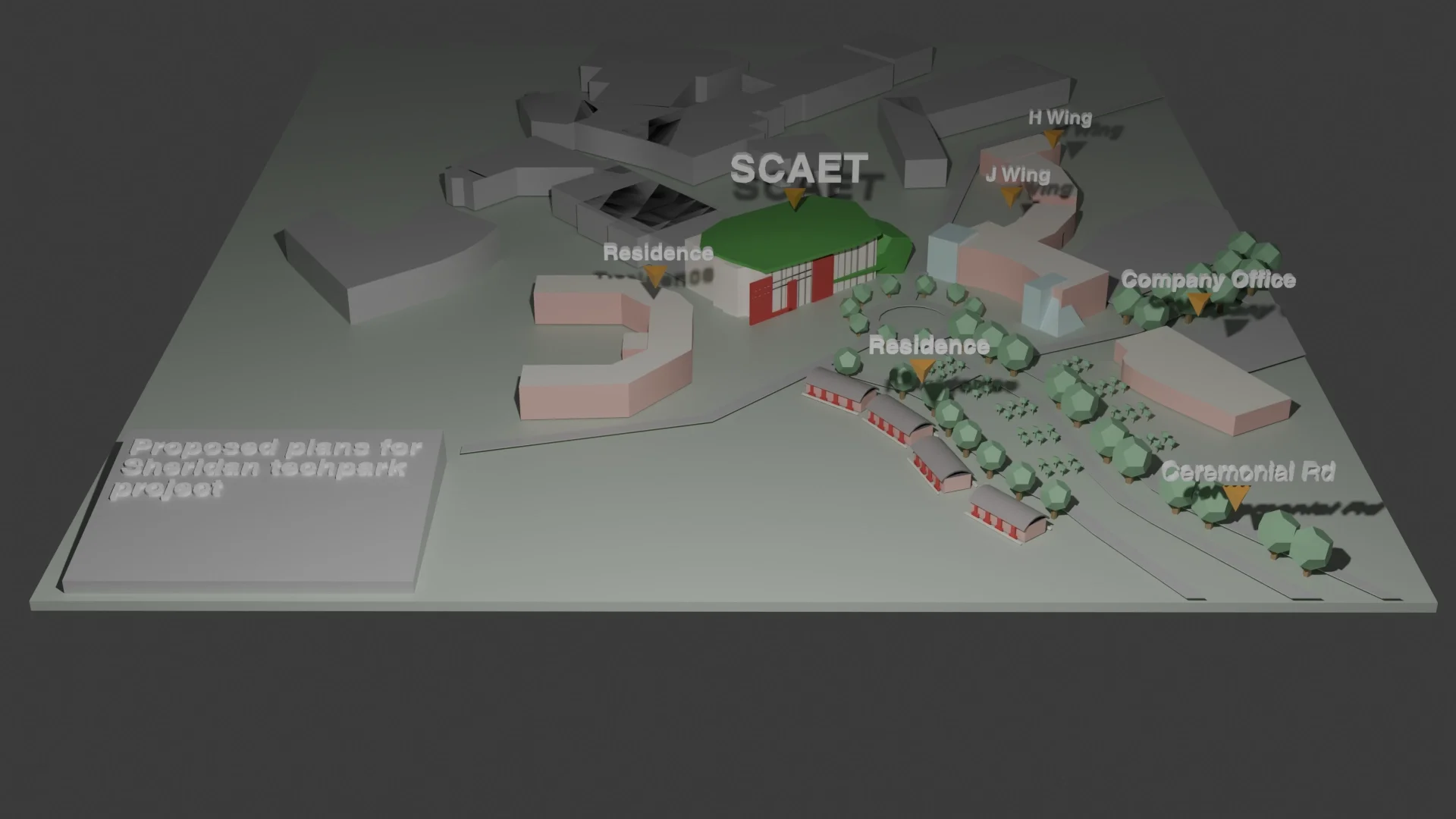
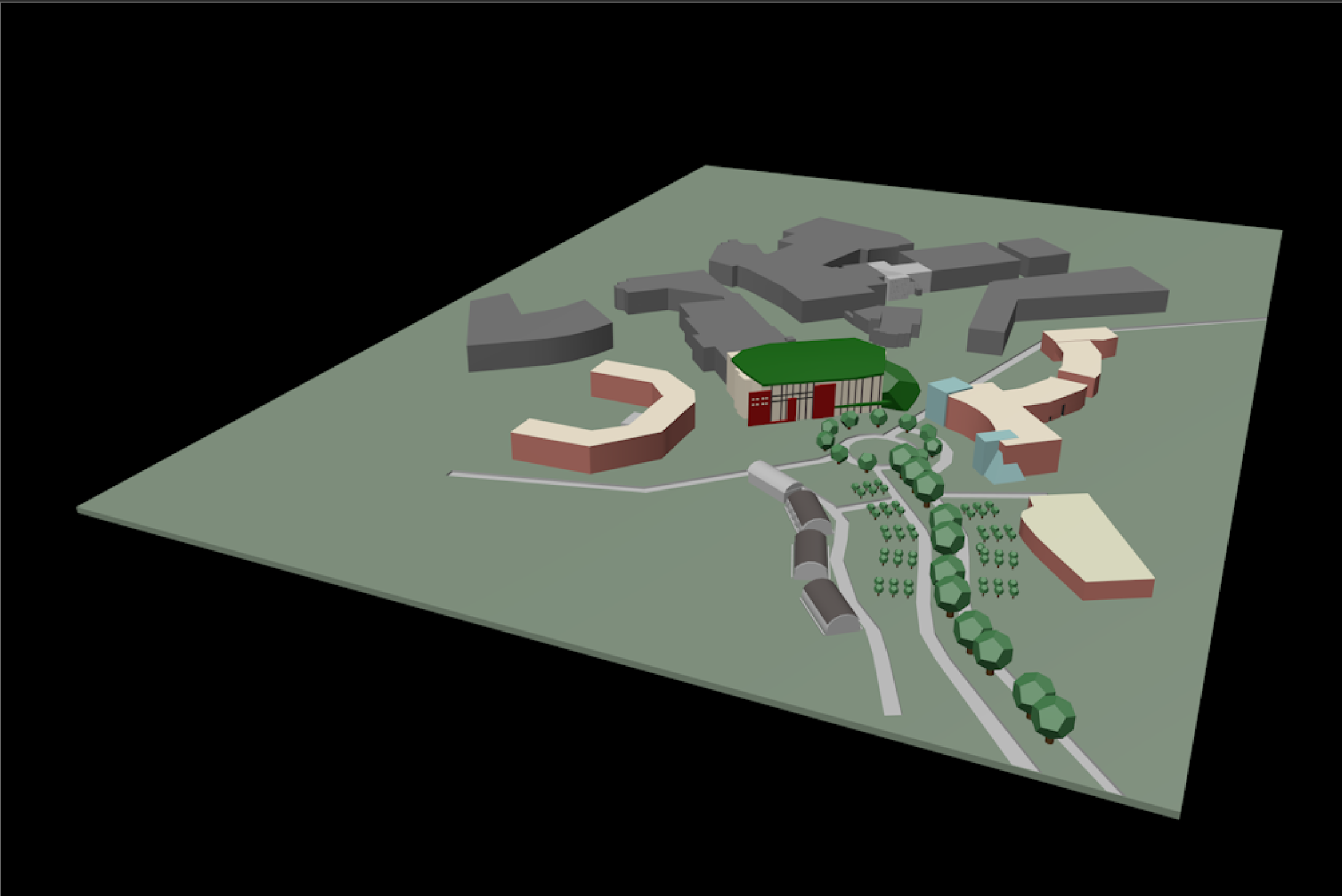
One surviving archive photograph shows the original plans for Trafalgar. The model reconstructs the campus from it — buildings labelled, grounds laid out, the version that existed on paper before it existed in brick. It sat at the main entrance, where the difference between the plan and the building you're standing in is easiest to notice.
A vase that isn't there
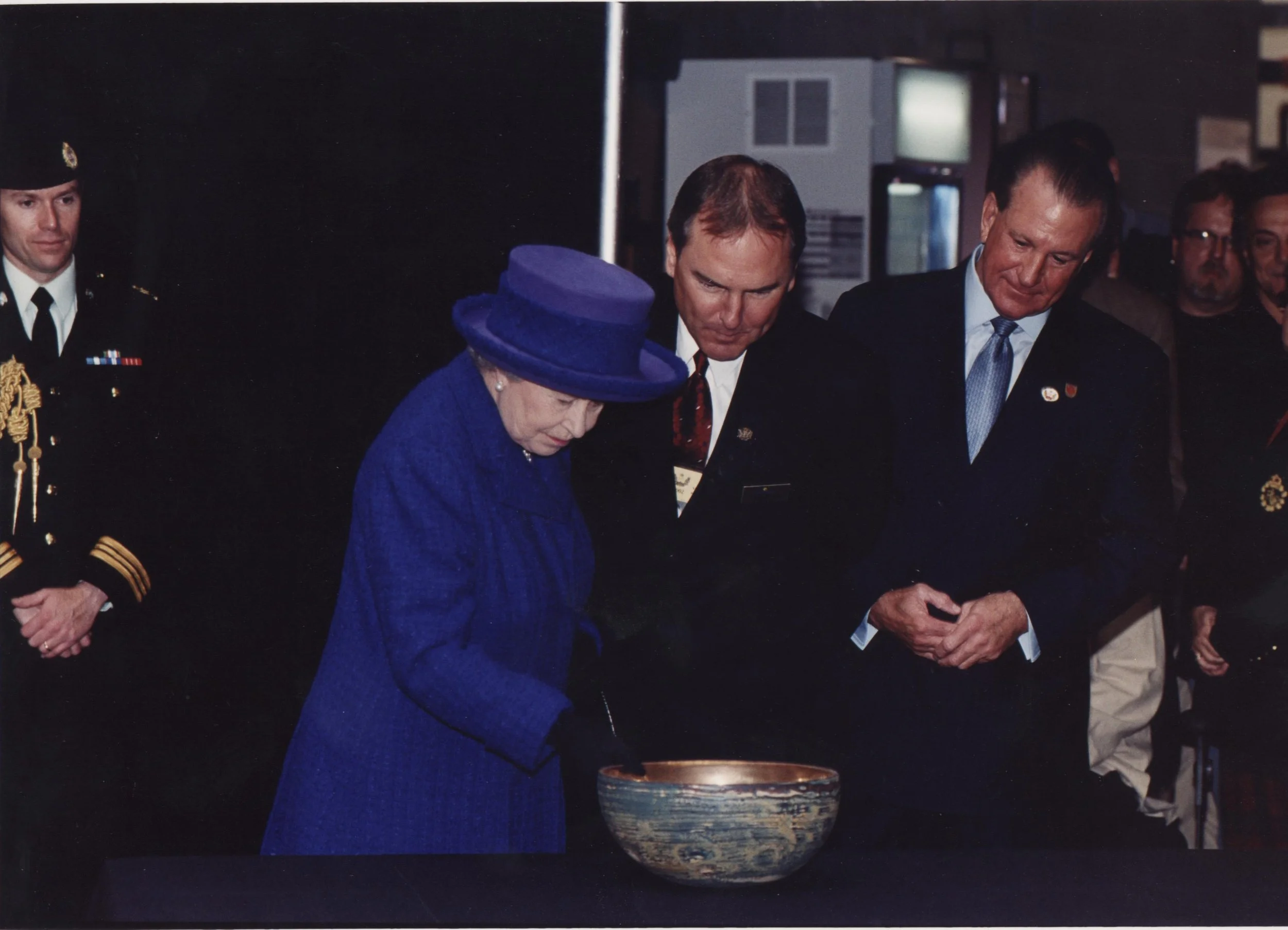
A glass vase, gifted to the Queen on a campus visit, now in a royal collection somewhere. The display stand stayed empty on purpose with a target on its surface. Scan the poster, point the phone at the empty case, and the vase is in it. You can walk around it.
One IBM 360, actual size
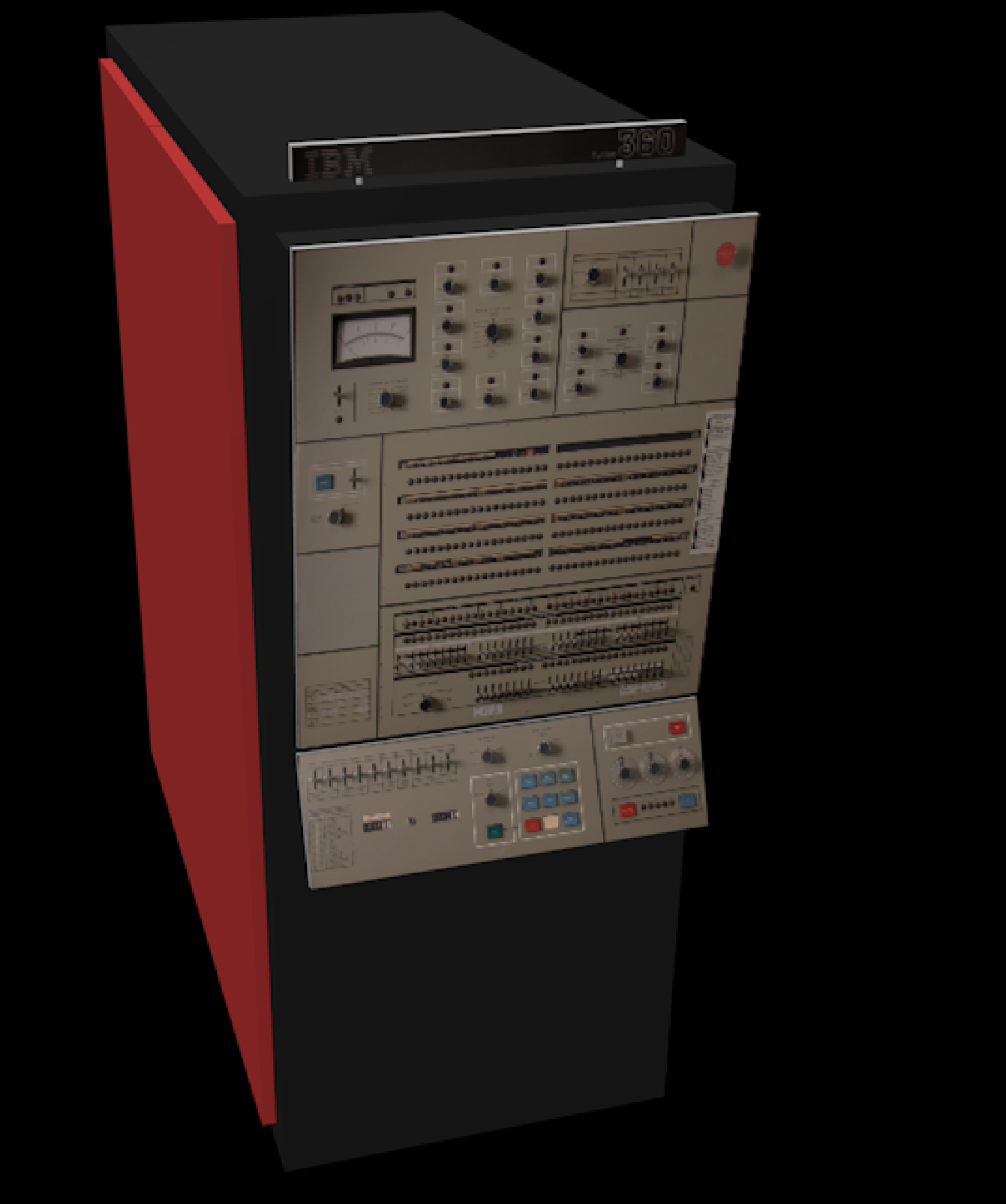
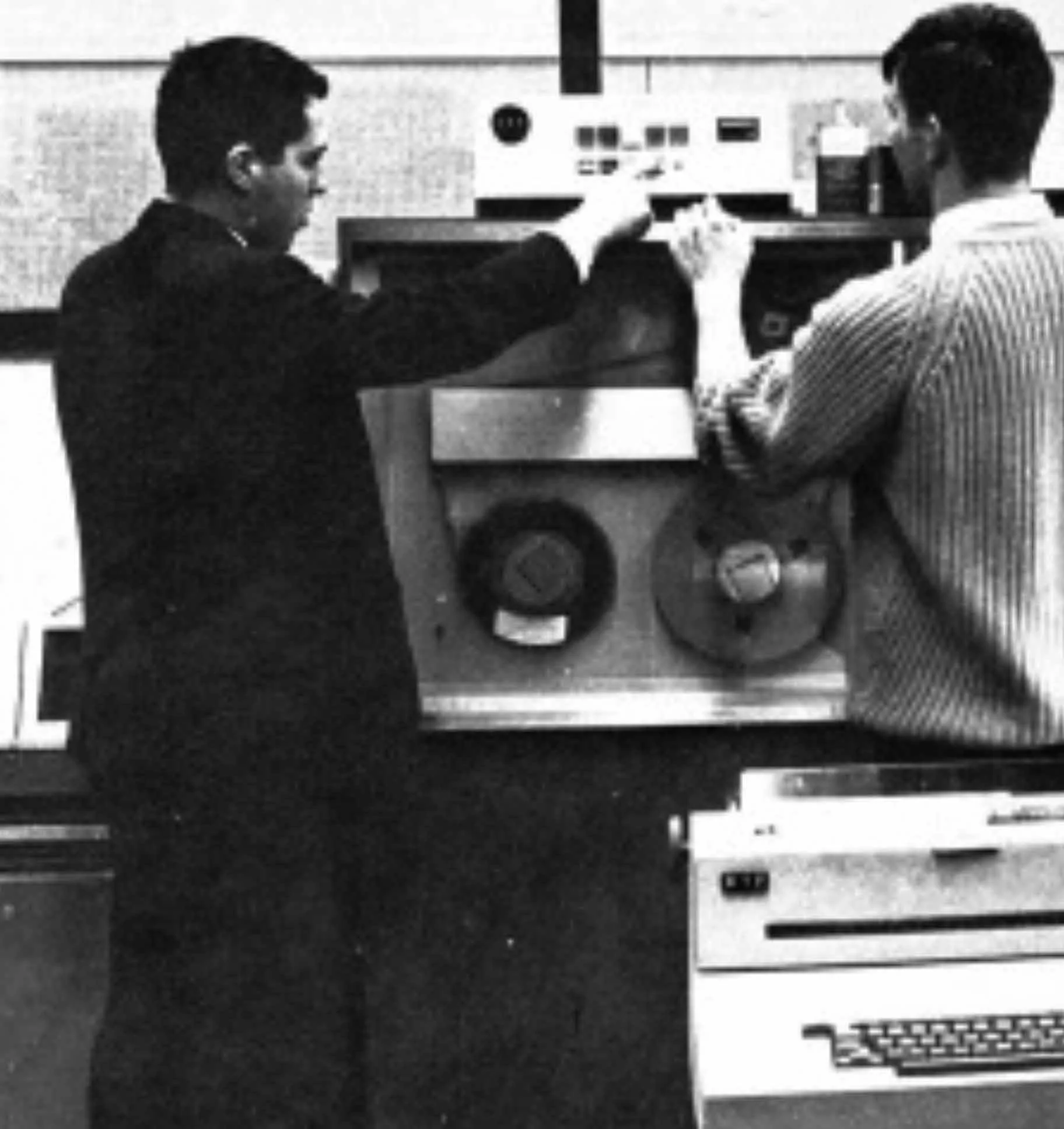
Modelled to the machine's real dimensions. The poster in the old computer room doubled as the tracking target, so the 360 appeared in the room that used to hold it, at the size it used to take up. The point wasn't the object. It was the floor space.
The theatre
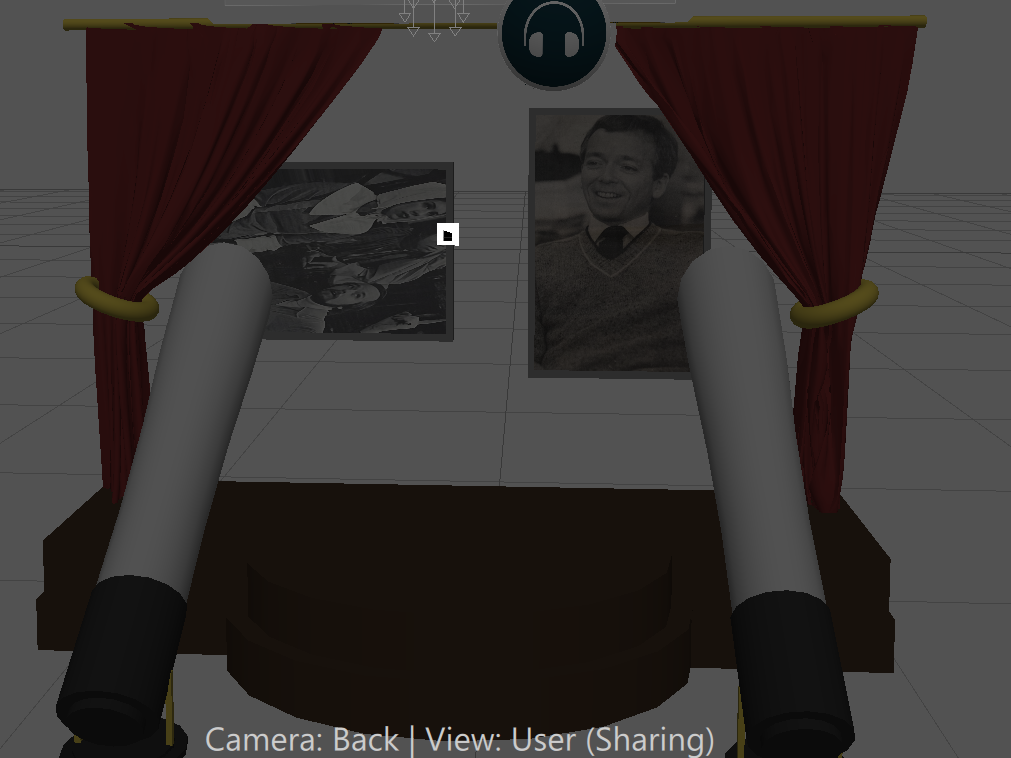
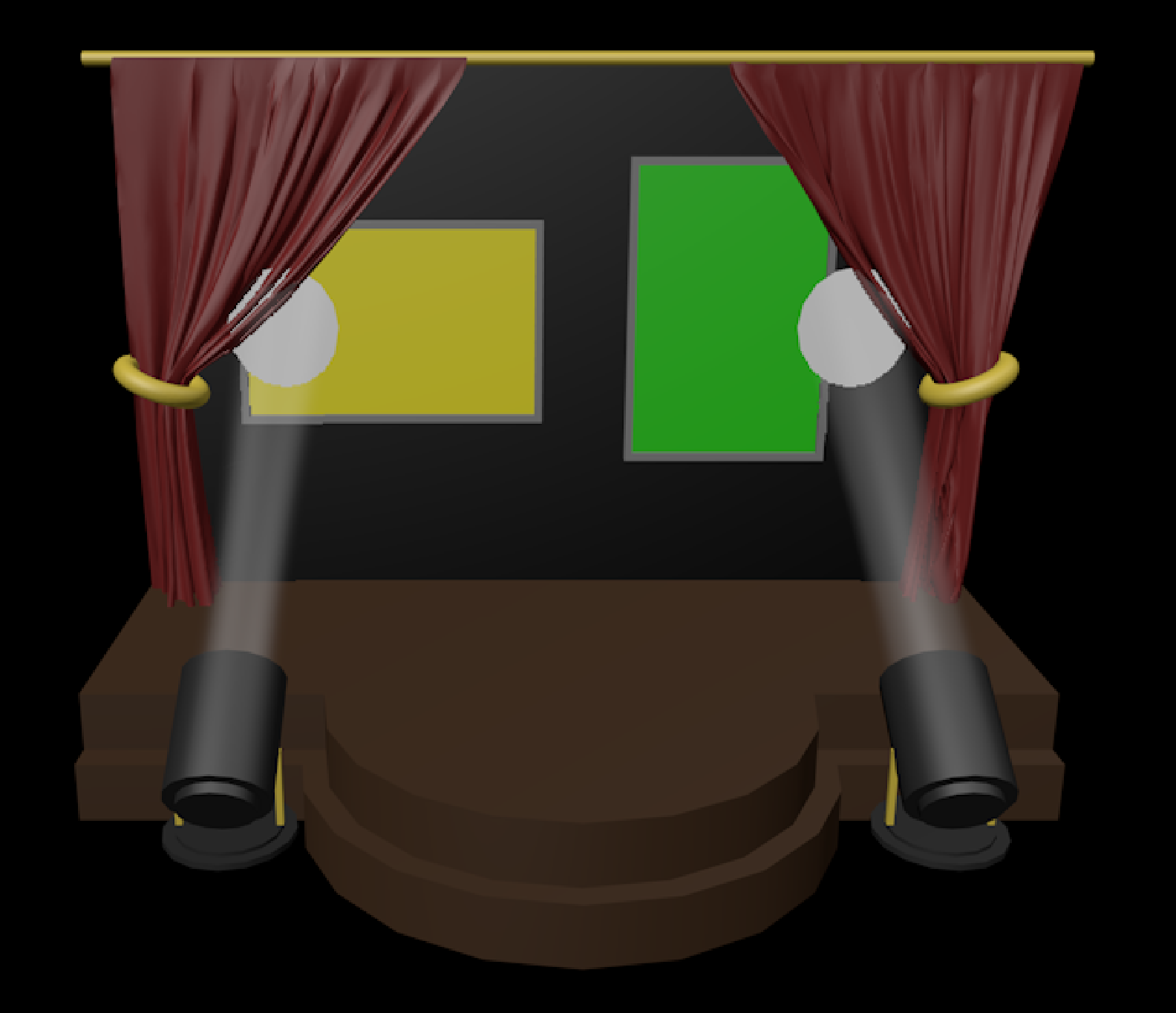
A stage with curtains, working spotlights, and mounted photographs, running under a voice over about the theatre program and the people who started it.
What the platform cost
Spark AR, delivered through Instagram, was the platform available in the time we had. That put a Meta account between a person and a poster on a wall, and assumed they'd know what to do once the filter opened. Instruction was one line of text. The people most likely to give up were the ones the project was built for: students walking past with a phone already in their hand and no reason to sign into anything.
What got cut
The map was meant to help navigation. Trafalgar is genuinely hard to move through, and a scale model at the entrance looked like a fun fix. Tracking needed a target meaning people couldn’t walk with the map open, so the map shipped as a view of the original plans instead.
The fallback was smaller: markers on the model showing where the other installations were, turning the campus into a route worth walking. This got cut due to deadline issues.
Where it landed
Installed on campus in August 2023 — eight pieces across Trafalgar, four of them mine, each anchored to the spot its story belonged to. Meta has since discontinued Spark AR, which takes the delivery layer with it. I would like to eventually revisit and refactor the project as I see genuine value in it.

Hologram version of the Trafalgar campus originally planned as an interactive map students and users could use as a navigation assistance towards the location of the other installations
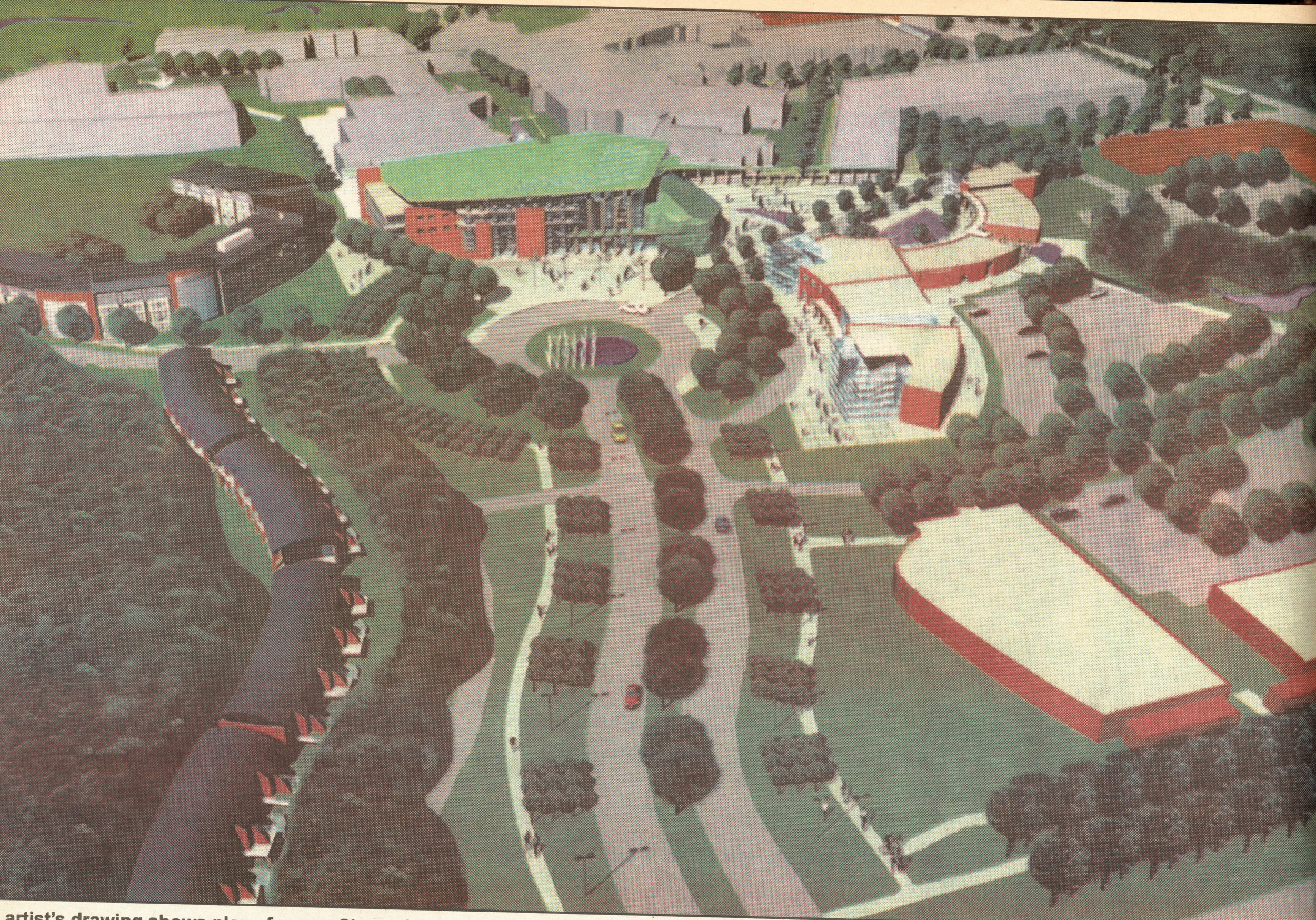
Original and only photo from the archives where the original plans for the Trafalgar campus can be seen and main inspiration for the SCAET campus installation
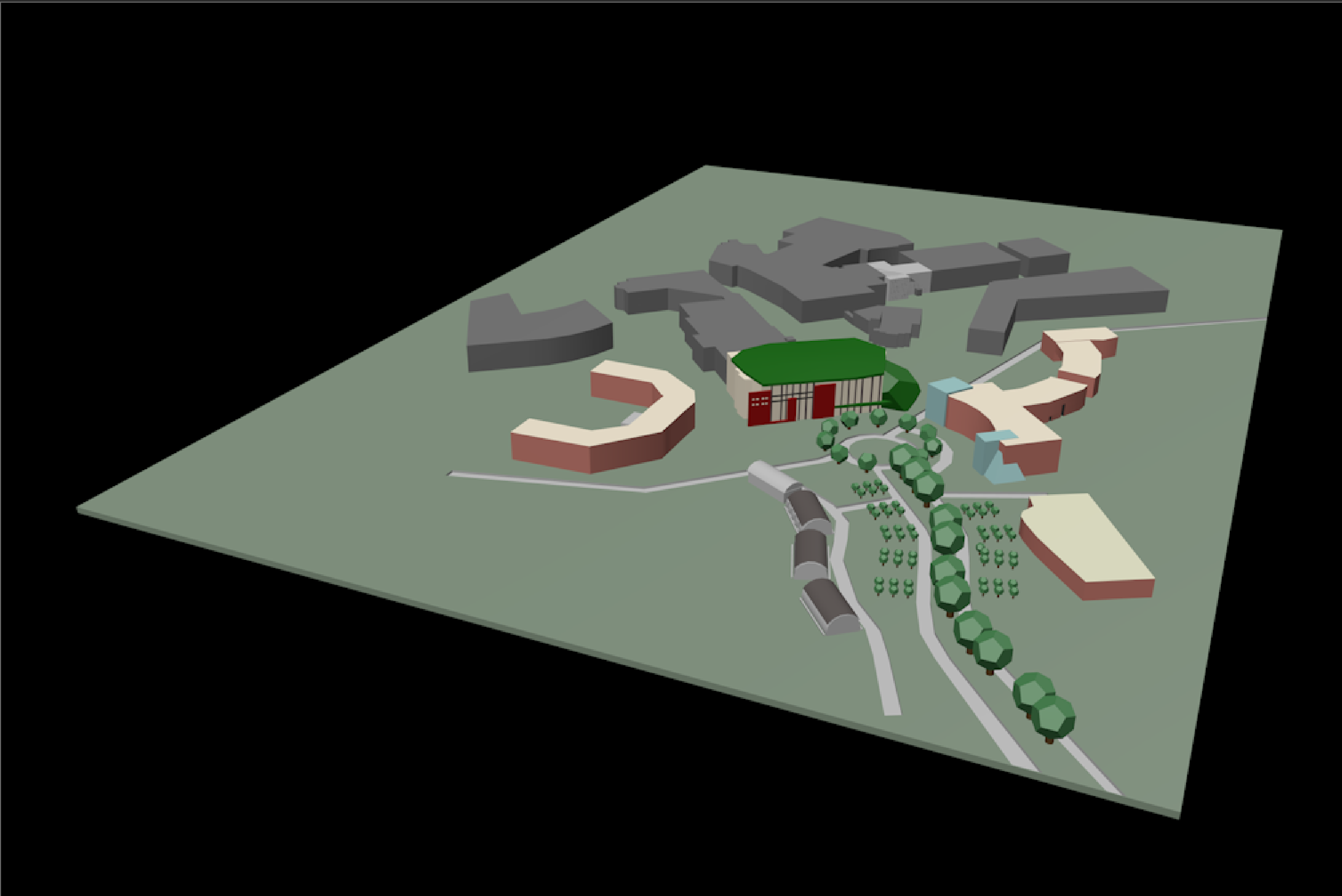
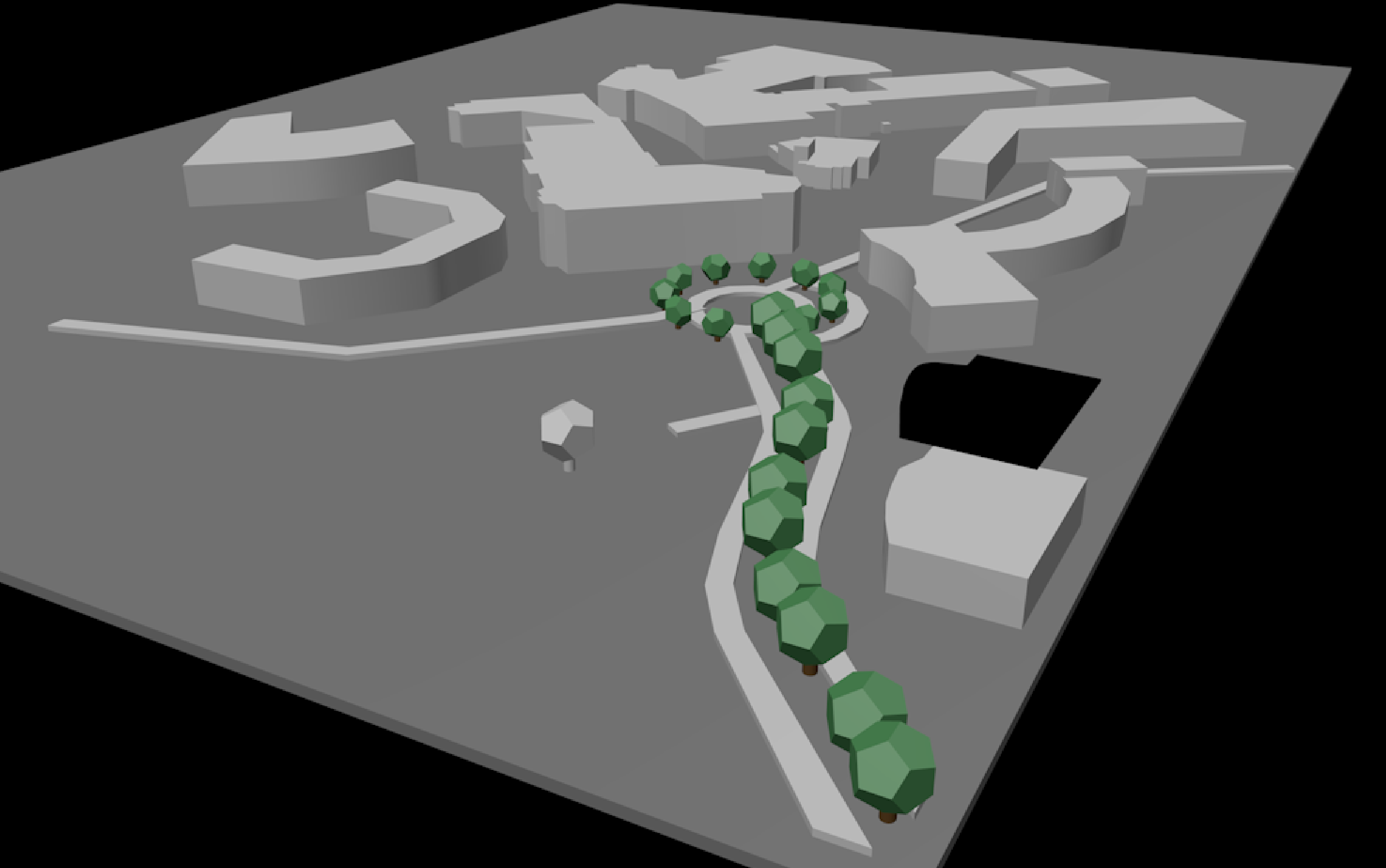
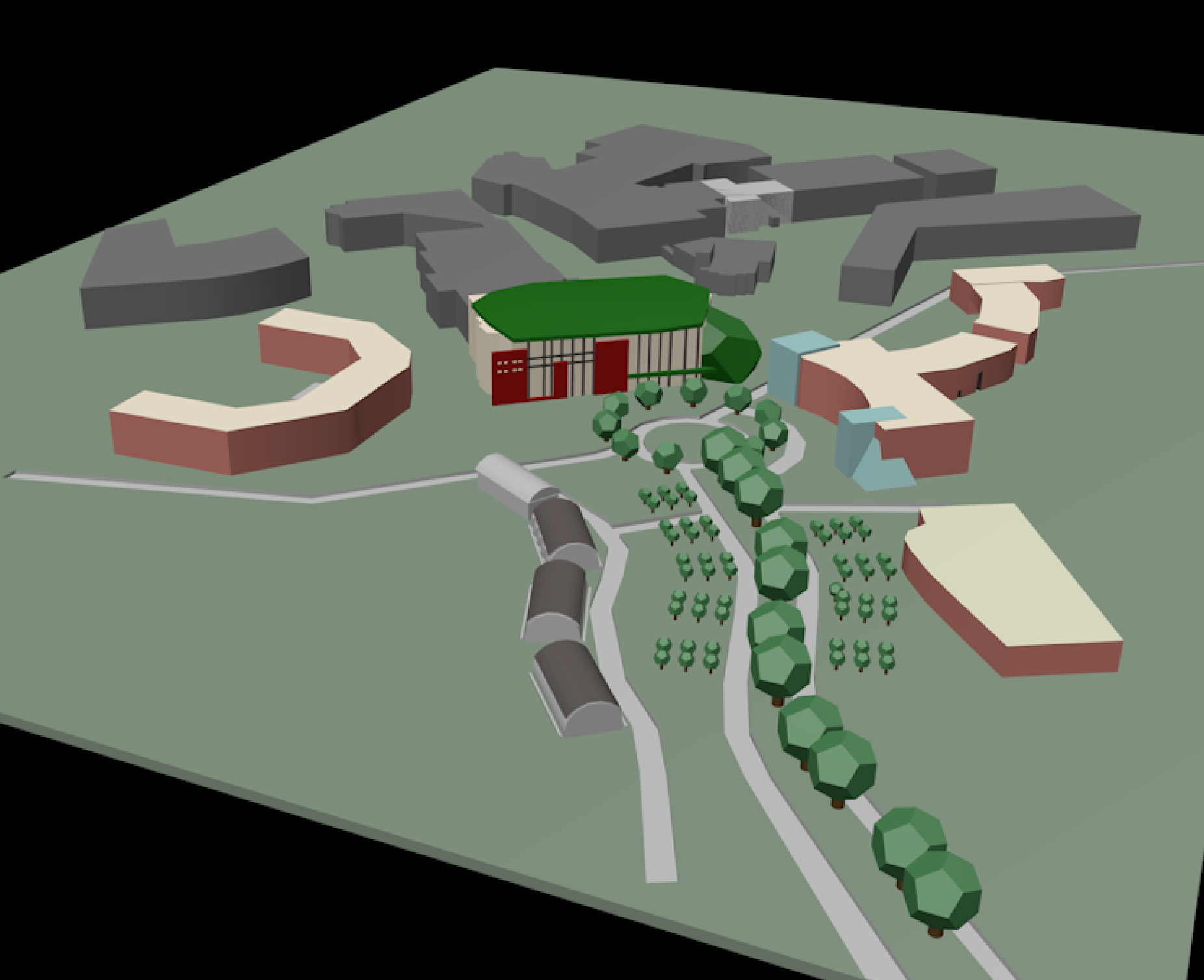
Added some trees for legibility purposes and to better understand relative sizes within the model, also to explore the elements that could be imported into Spark AR from Cinema4D (namely, the cloner)
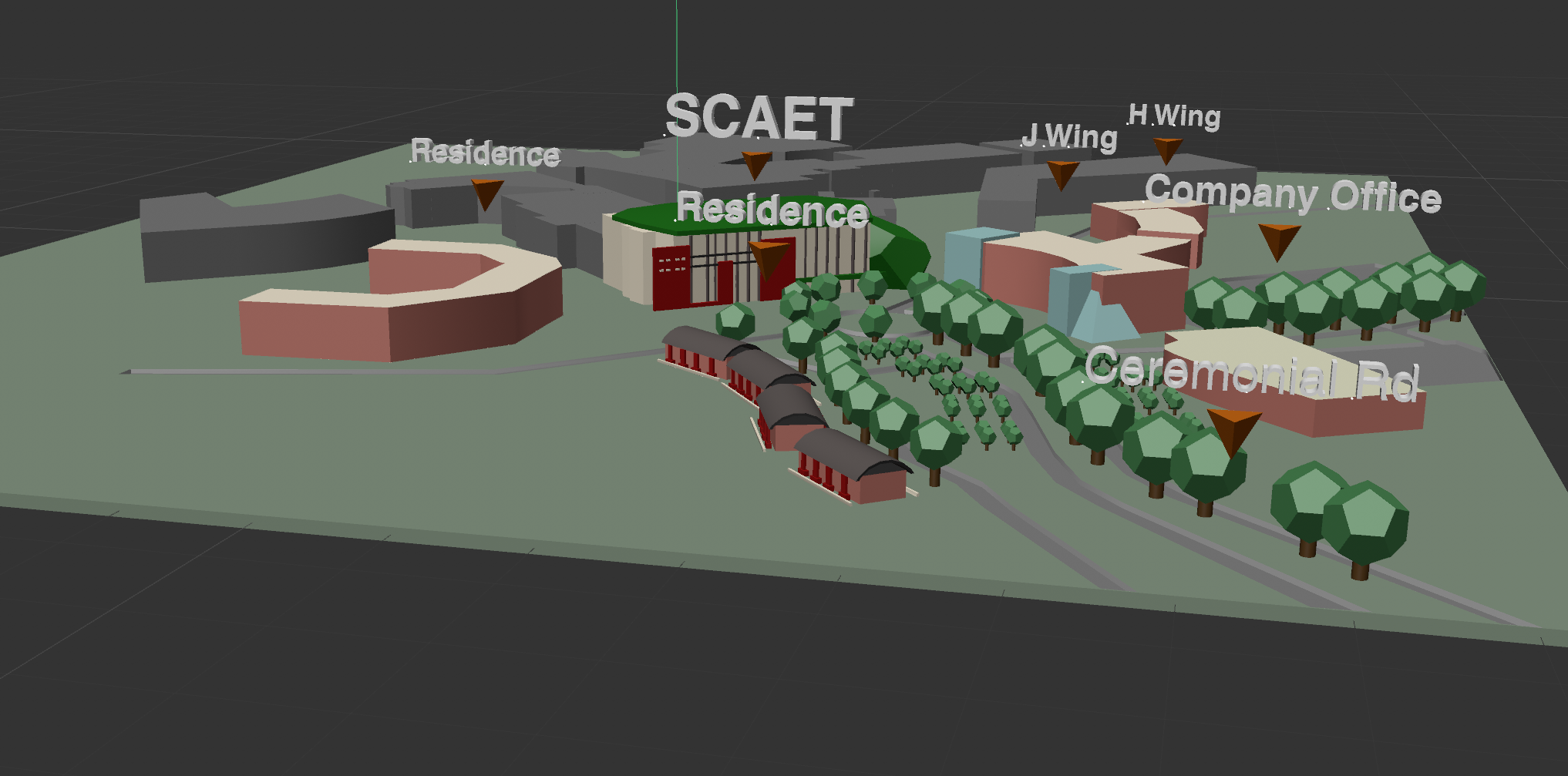
More process with the tags and names of each building displayed to better assess visual readability
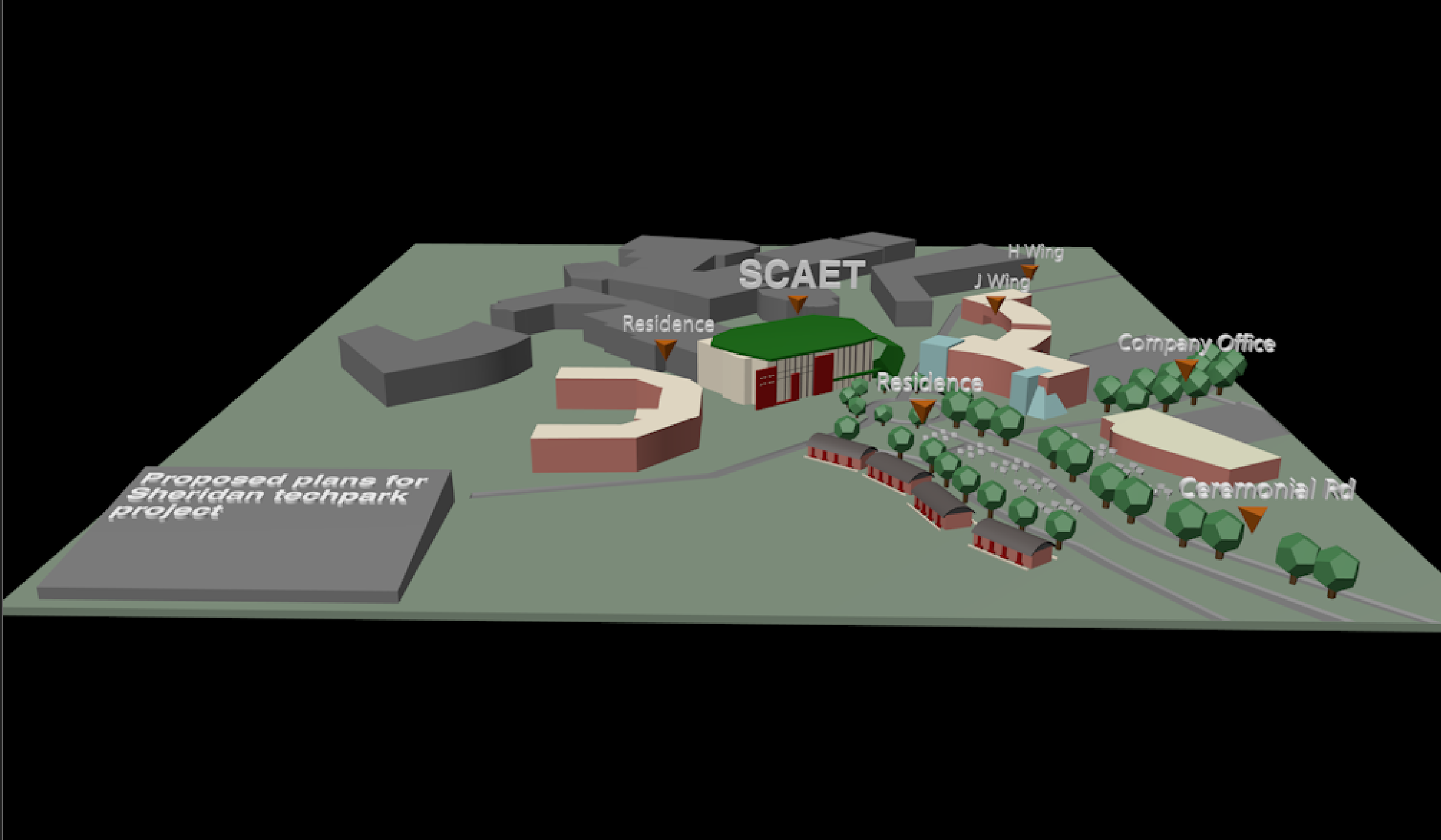
Process of the SCAET Campus Installation
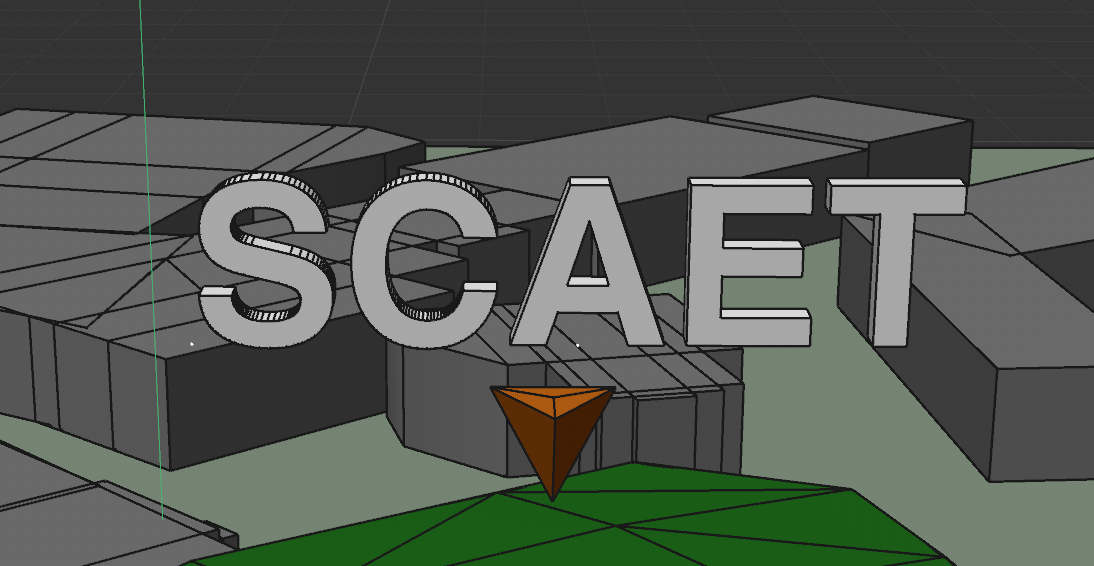
Details of the tag and type used
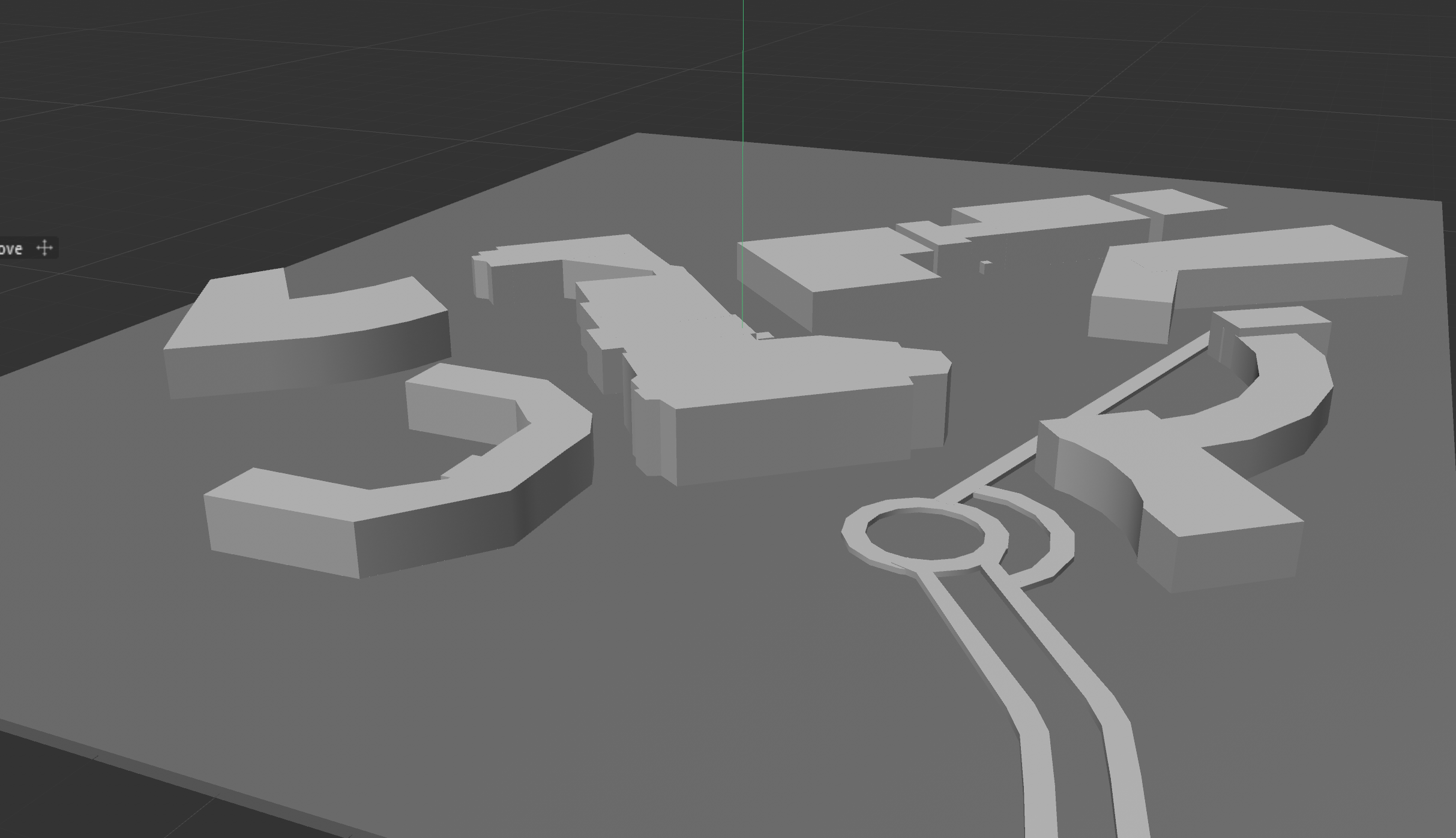
First blocking of the 3d model to replicate the Trafalgar campus as it was originally intended
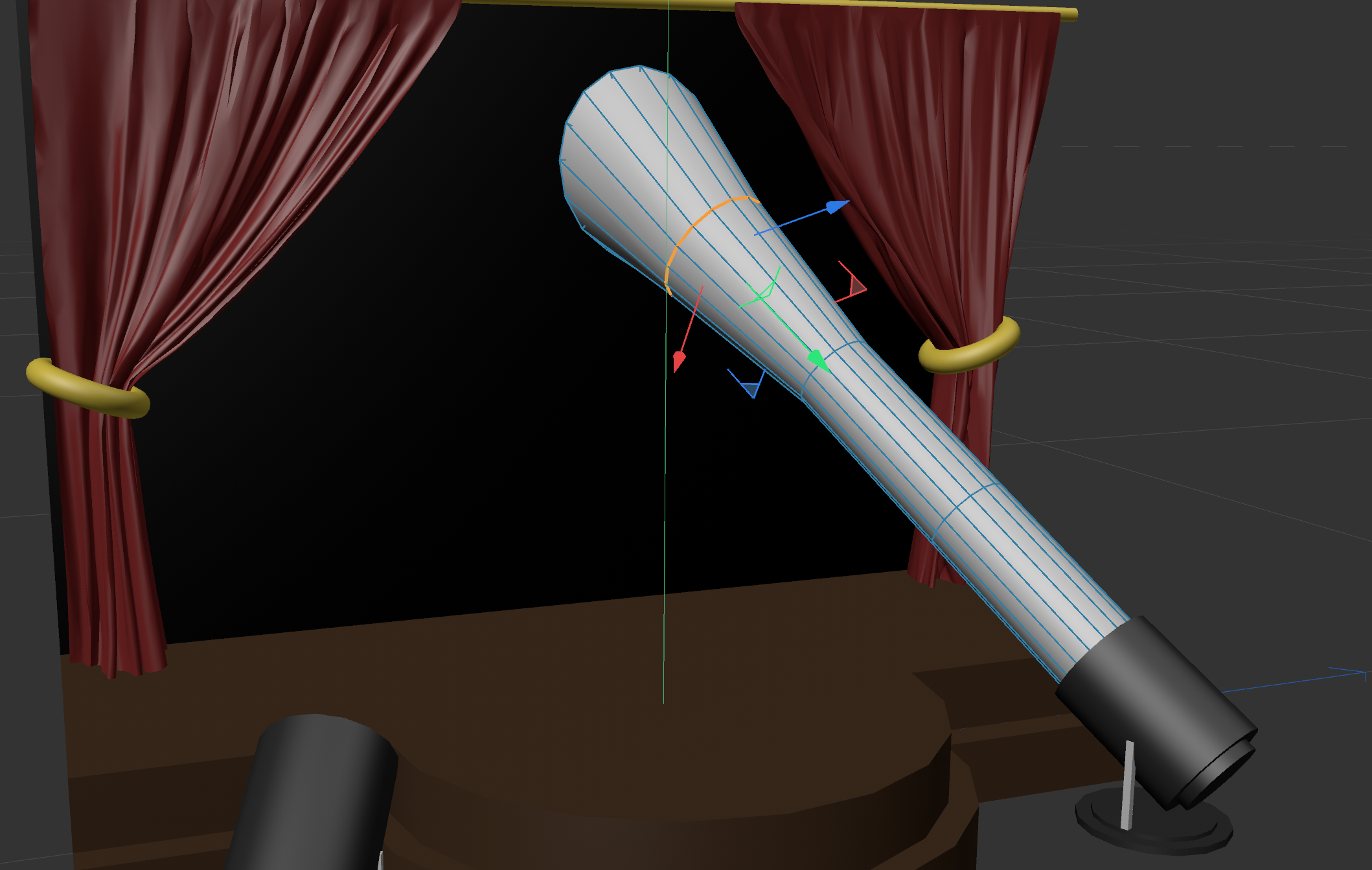
Exploration of solutions for the spotlight (utilizing a cone and then reducing the opacity with the exception of the faces that are almost in contact with the wall and then reducing the opacity of those as well or playing with different effects)
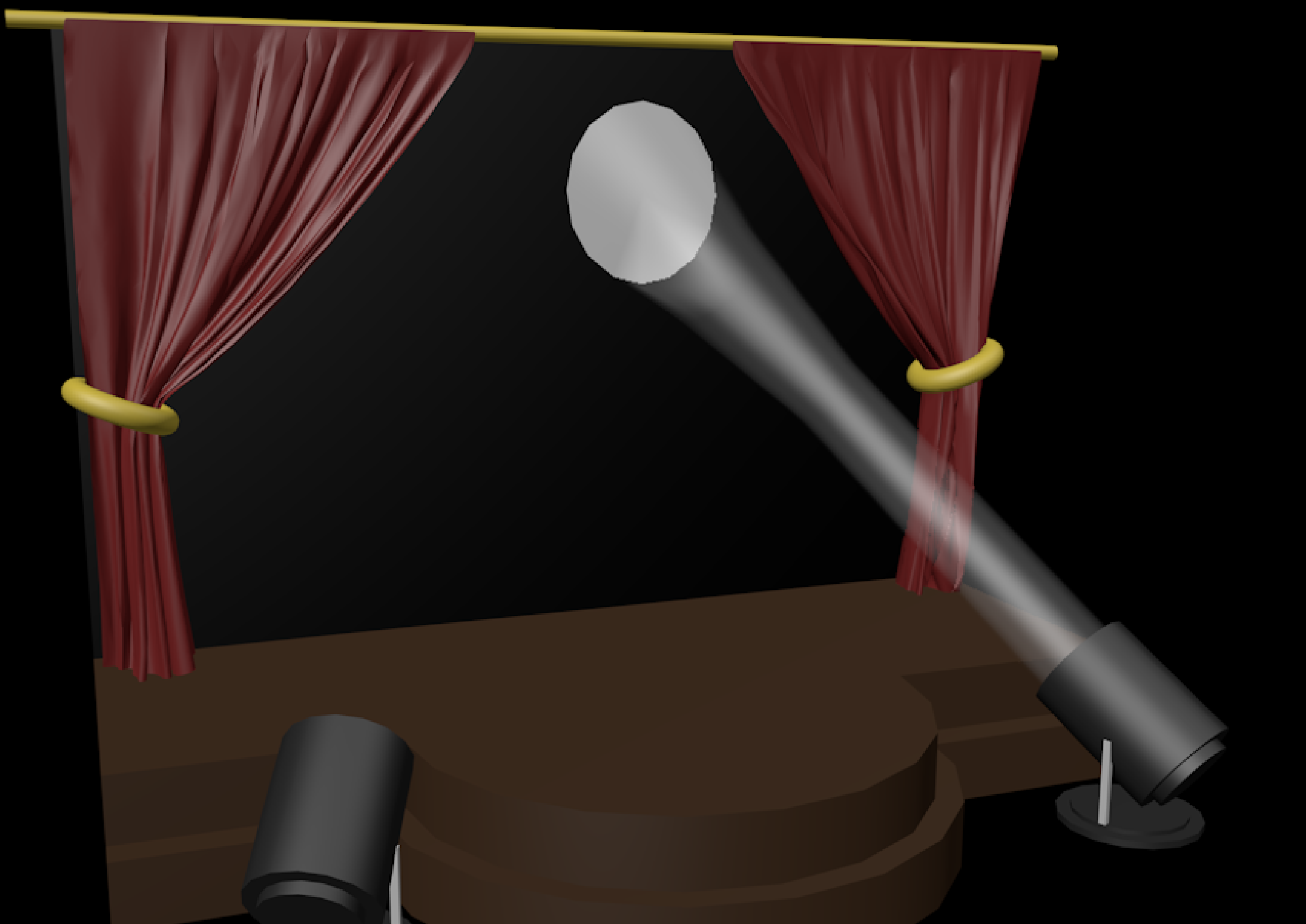
Previous exploration more fleshed out, transparent cylinder body with a material that will simulate the light beam
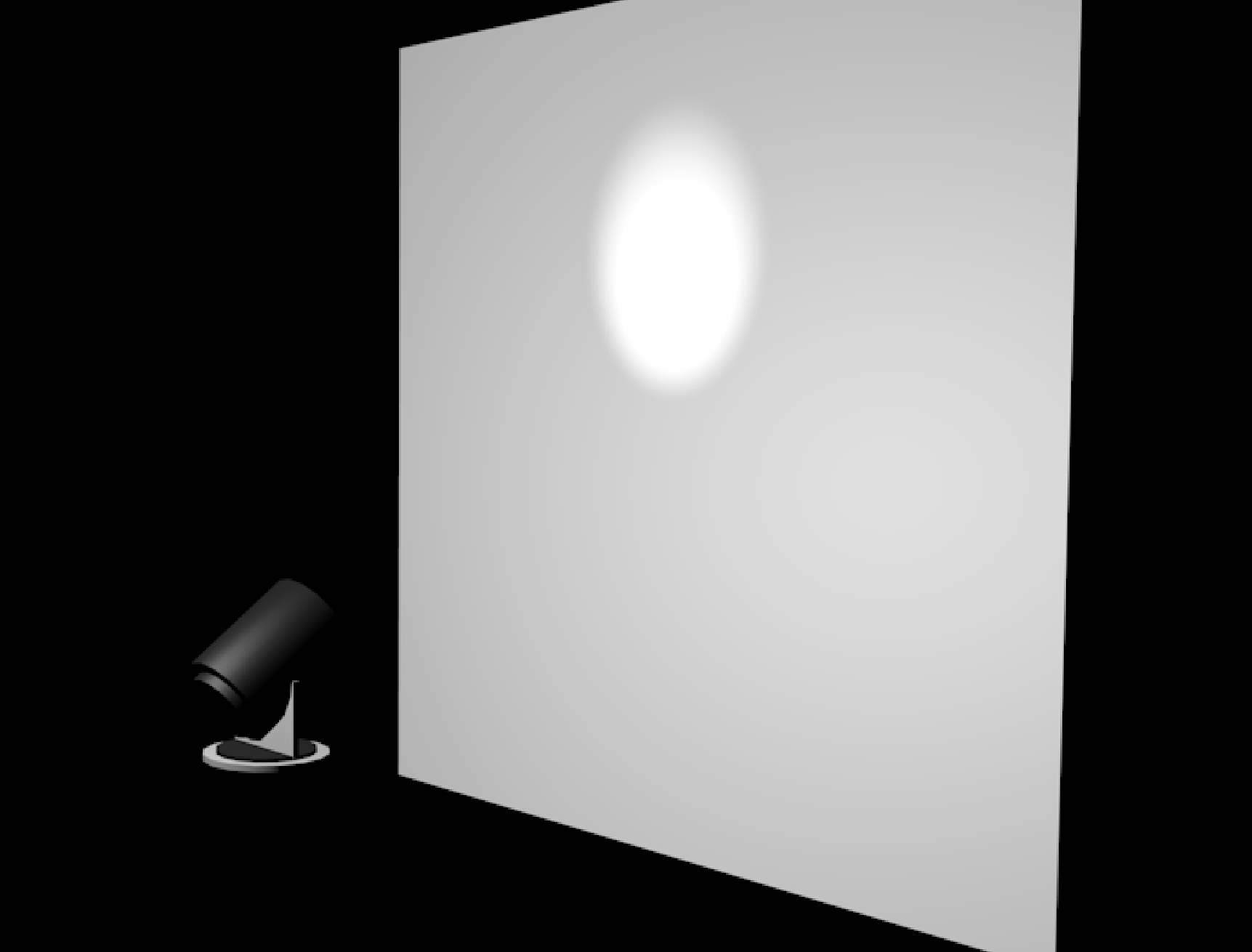
Initial exploration of Spark AR and possible solutions for the element of a spotlight
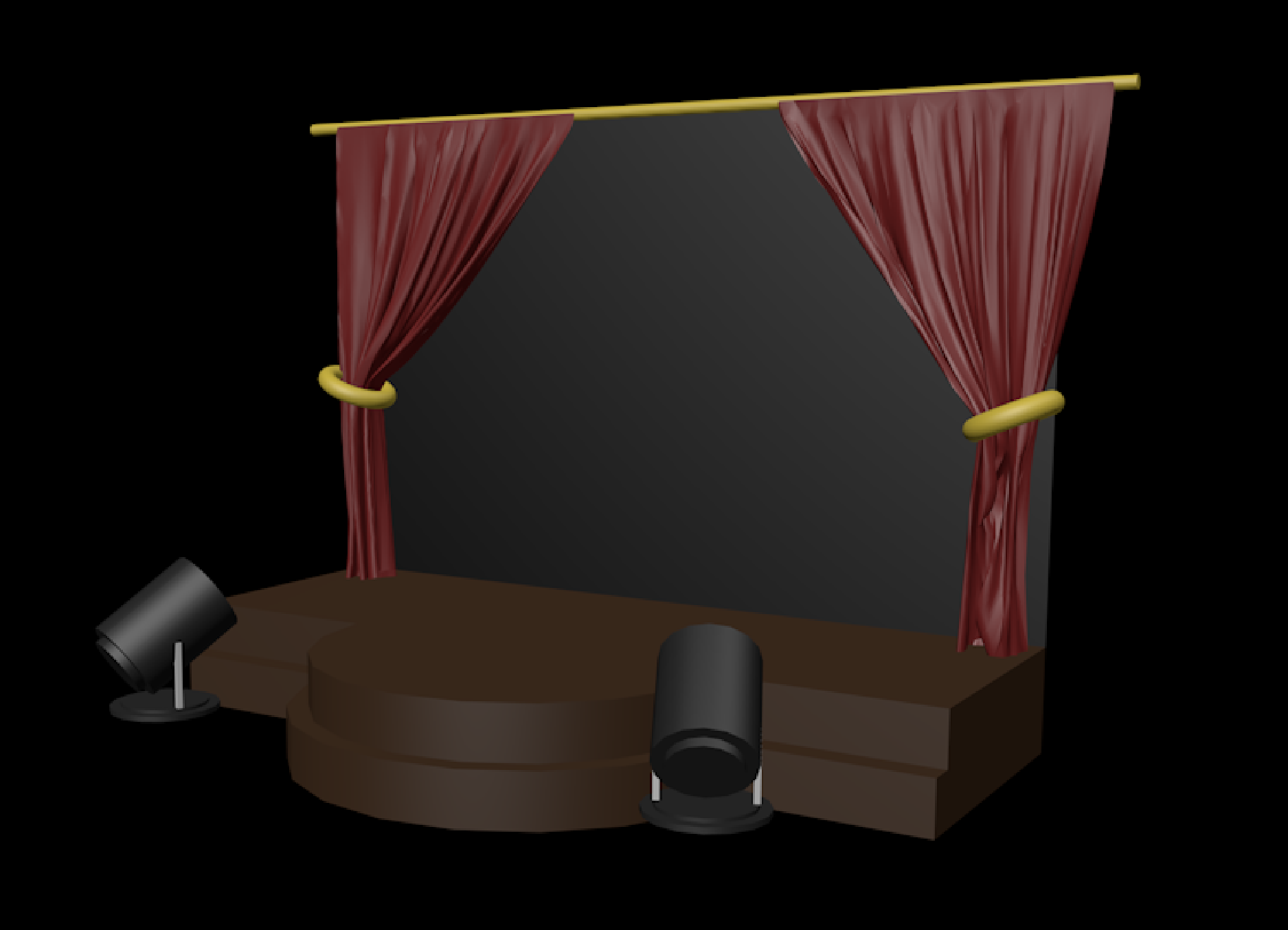
Final Layout for the interaction after playing with fabric simulations on Cinema4D to find the best possible model.
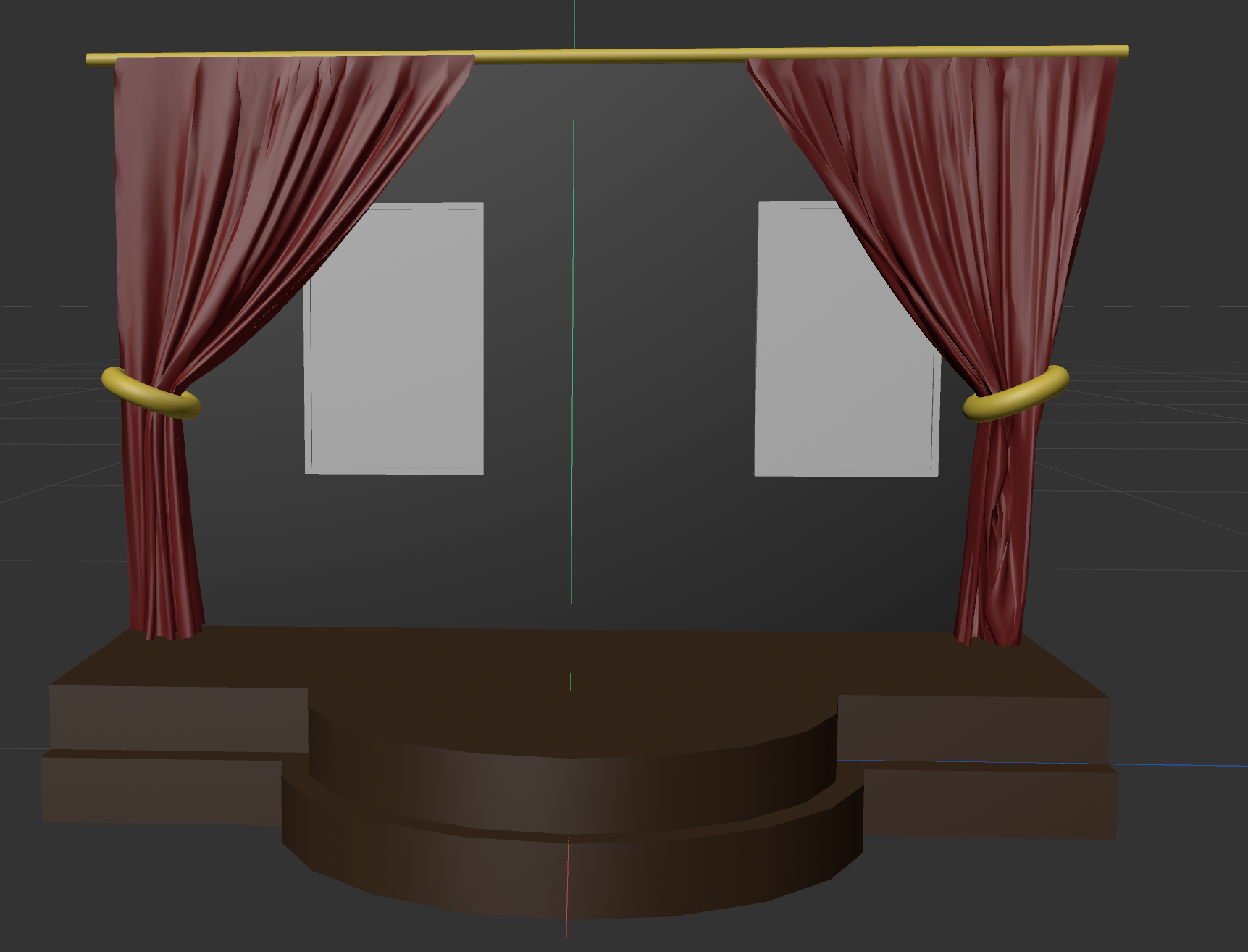
Layout adjustments for the images that would be 'mounted' on the back wall
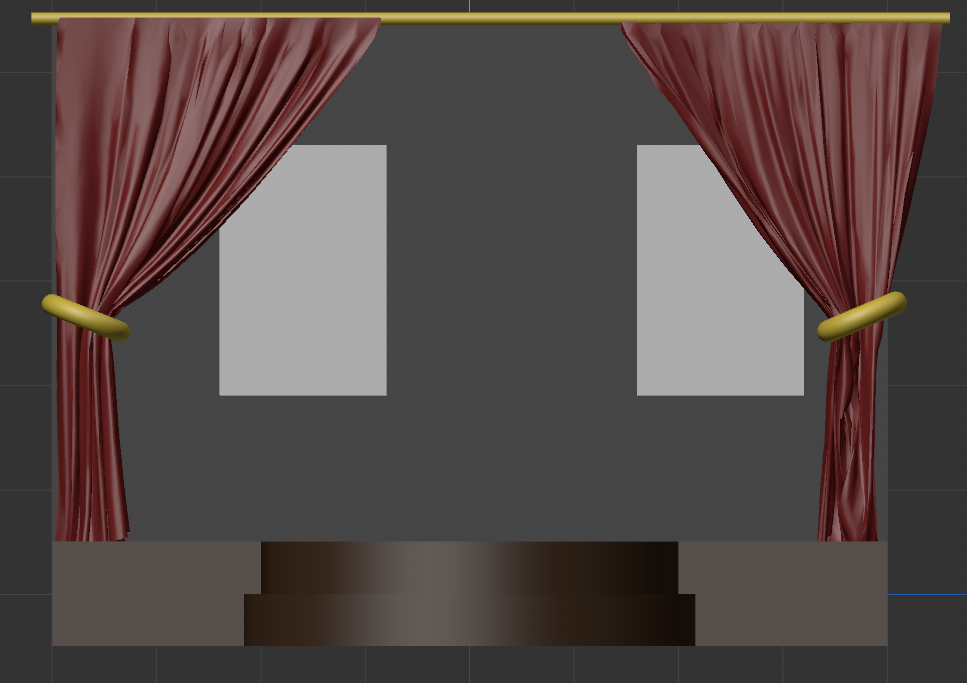
More layout explorations
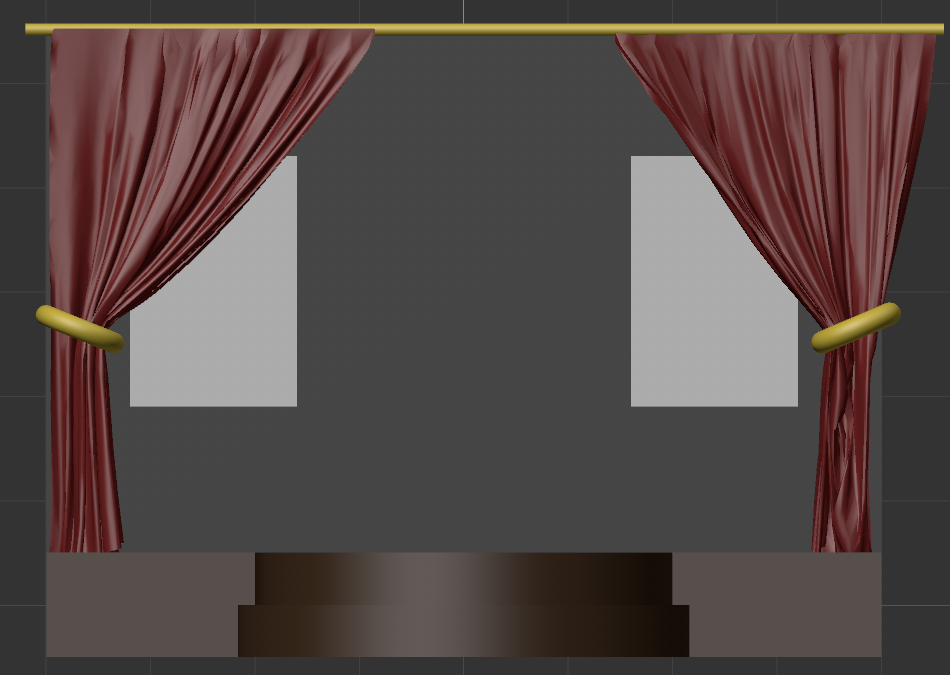
Playing with negative space and the visual elements, how they interact with objects in front and behind.
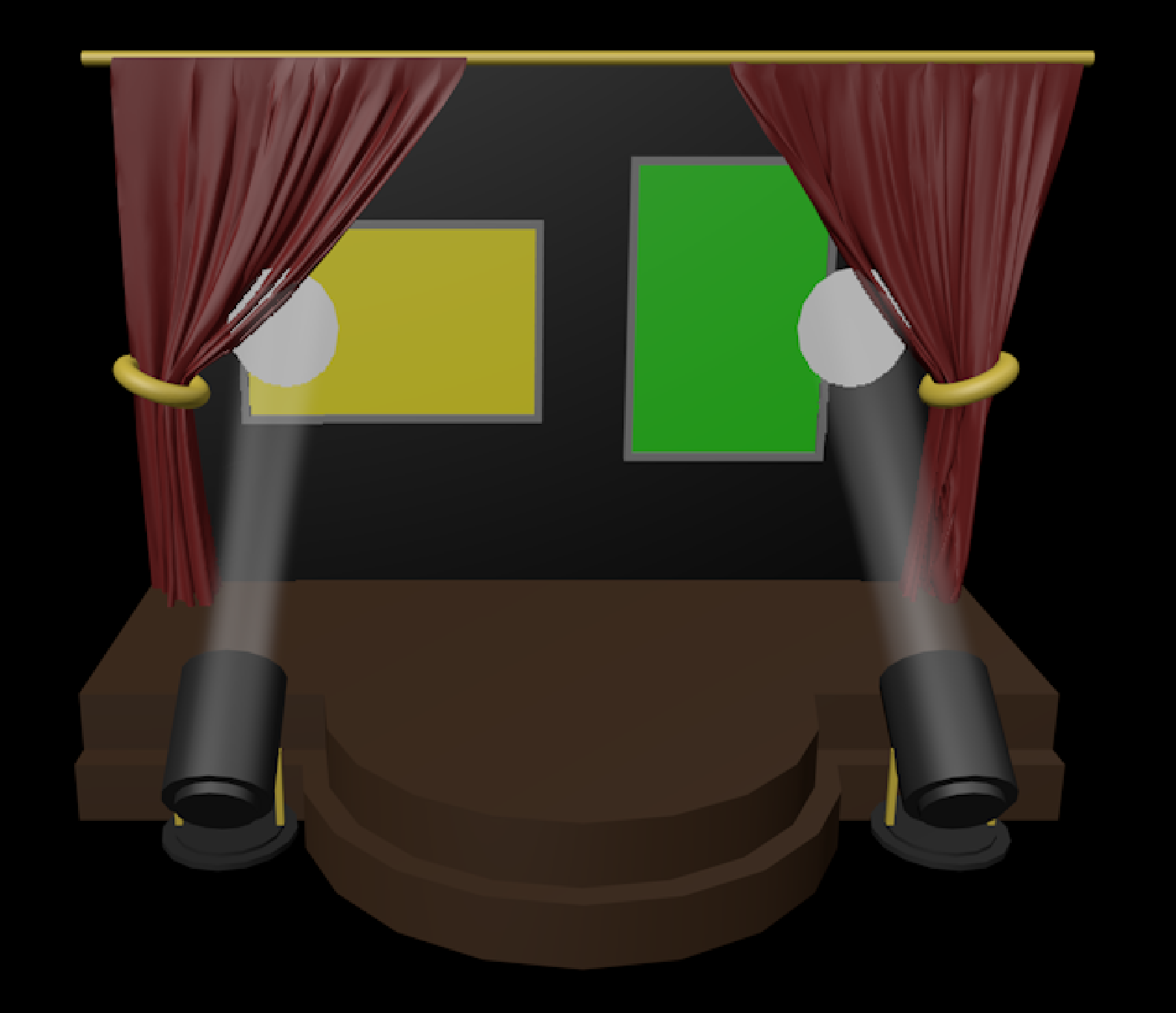
Further exploration with place holder textures.
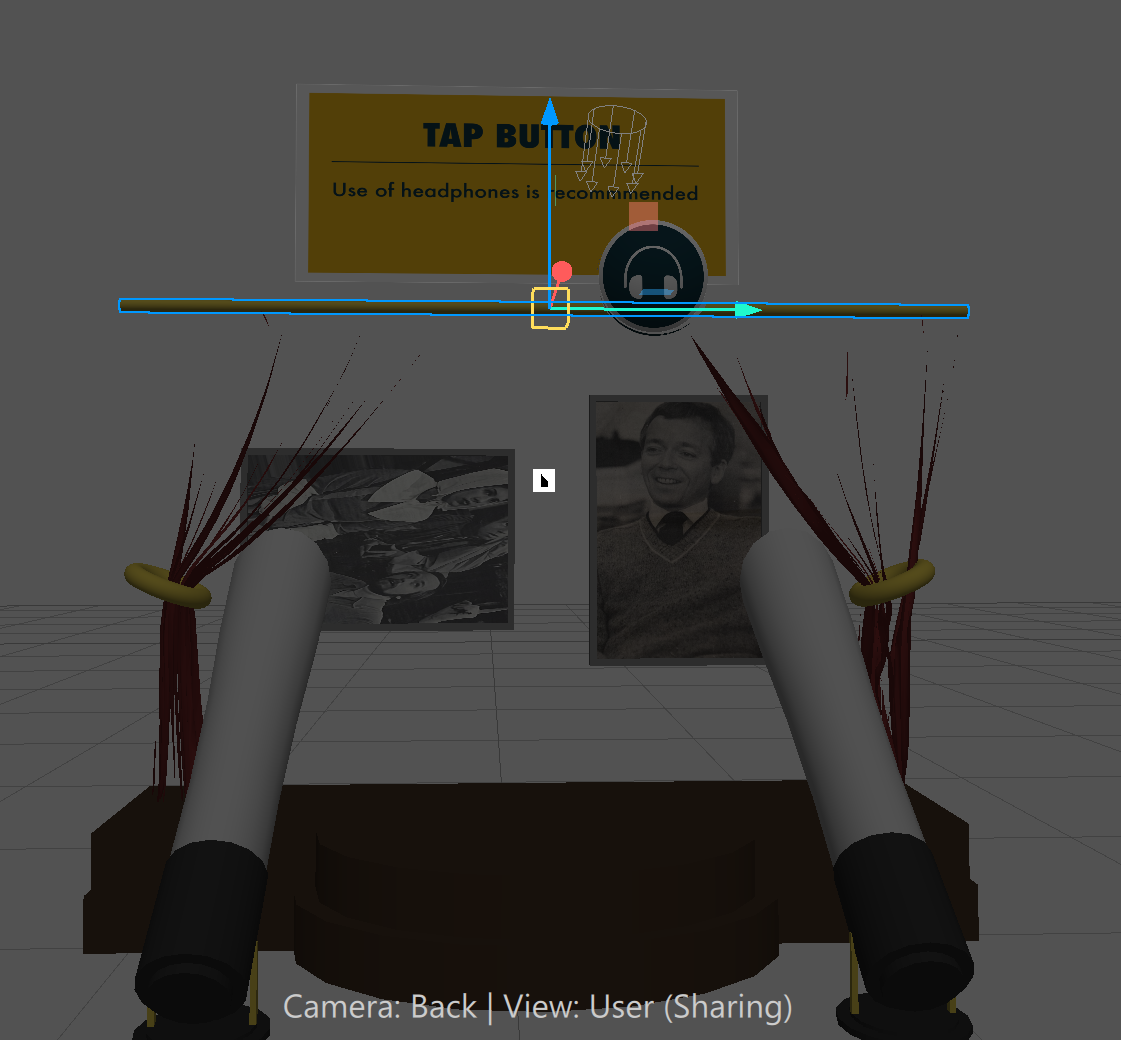
Mounted textures and playing with materials, opacity and visibility of curtains.
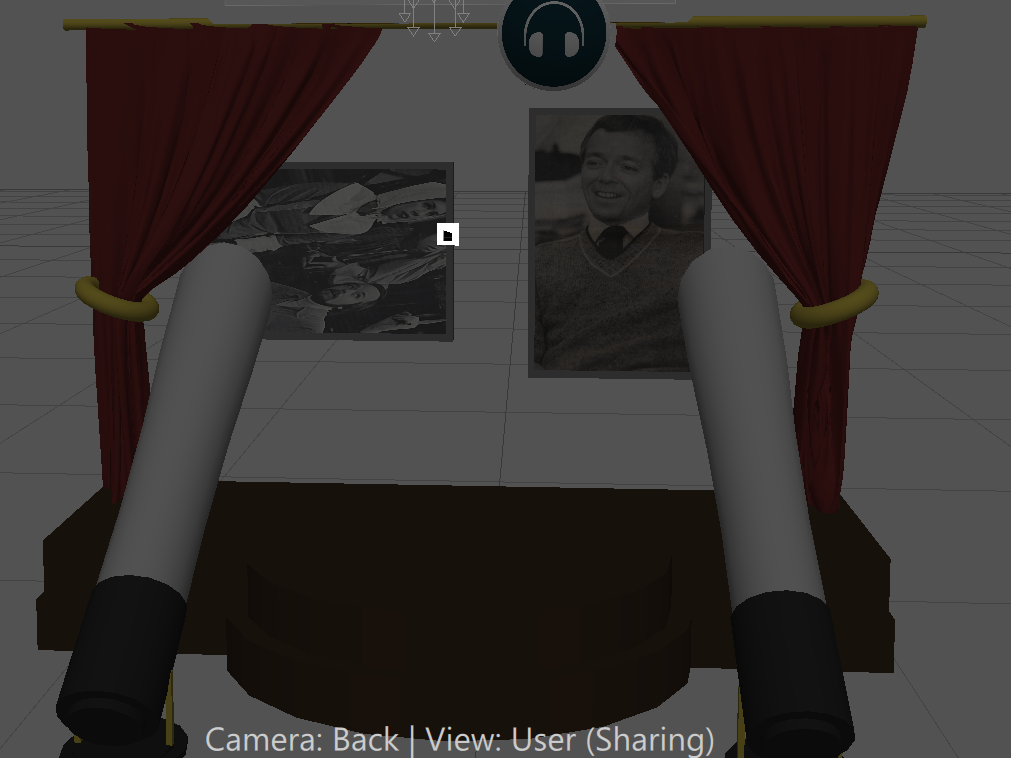
Final look before I implemented what i had previously learned Spark AR already had lights as a feature making the cylinder light beam exploration superfluous but fun